
Author: Simone Calamai

Race to Zero
Advances in technology continue to transform how our financial markets operate. The volume of financial products traded through computer automated trading taking place at high speed and with little human involvement has increased dramatically in the past few years. For example, today, over one third of UK equity trading volume is generated through high frequency automated computer trading while in the US this figure is closer to three-quarters.
Unfortunately, there is a downside.
[…] one strange and disturbing episode that lasted a mere 20 minutes on the afternoon of 6 May 2010, beginning around 2.40 p.m. The overall prices of US shares, and of the index futures contracts that are bets on those prices, fell by about 6 per cent in around five minutes, a fall of almost unprecedented rapidity (it’s typical for broad market indices to change by a maximum of between 1 and 2 per cent in an entire day). Overall prices then recovered almost as quickly, but gigantic price fluctuations took place in some individual shares. Shares in the global consultancy Accenture, for example, had been trading at around $40.50, but dropped to a single cent. Sotheby’s, which had been trading at around $34, suddenly jumped to $99,999.99. The market was already nervous that day because of the Eurozone debt crisis (in particular the dire situation of Greece), but no ‘new news’ arrived during the critical 20 minutes that could account for the huge sudden drop and recovery, and nothing had been learned about Accenture to explain its shares losing almost all their value.
On that day, the US equity market dropped by 600 points in 5 minutes, eliminating approximately US$800bn of value, and then regained almost all of the losses within 30 minutes. Wow.
After five months of investigation it was found that this “flash crash” was triggered by an algorithm used in an automated trading programme. Fortunately the electronic platform on which these trades were executed had a “stop logic” functionality designed to detect and interrupt such self-feeding crashes by giving human traders time to assess what was happening, step in and pick up bargains.
Algorithmic trading, including high frequency trading (HFT), is rapidly replacing human decision making, according to a UK government panel which warned that the right regulations need to be introduced to protect stock markets. The Government Department for Business, Innovation and Skills (BIS) has released a very good paper documenting this phenomenon. If you want a deeper view on this subject, it is definitely worth to give it a look: The Future of Computer Trading in Financial Markets | Working paper (pdf file)
The impact of technology developments
On the tech side, the impact is huge as well. Automated trading involves a bunch of time-critical aspects. Moreover, future trading machines will be able to adapt and learn with little human involvement in their design. There is a compelling article on HPCWire addressing this issues and, again, my advice would be to go through it.
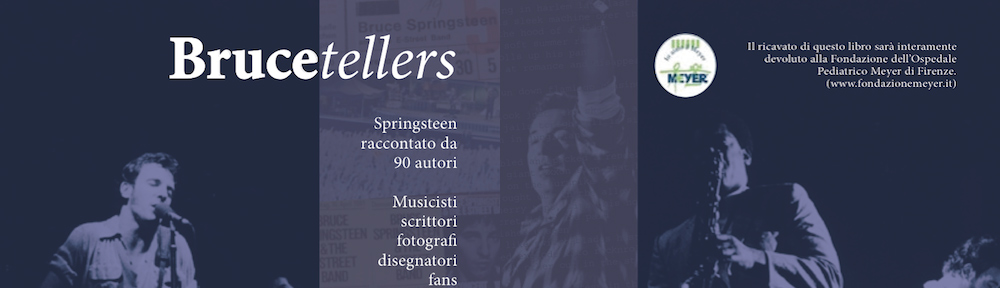
Brucetellers
A book full of emotions and feelings inspired by the art and work of Bruce Springsteen
 Pistoia (Italy), September 2011
It all started with the idea of remembering a young friend, fervid Springsteen fan, and passionate youth basketball coach. Shortly after, a bunch of friends began contacting the vast and diverse world of Springsteen italian fans. 90 of them rose to the challenge: journalists, writers, musicians, designers, photographers, lutists, graphologists, collectors and ordinary fans: all with a common passion for Bruce, the experience of several dozens of concerts around the world and a wealth of stories and anecdotes with the rocker of Freehold as common trait. The result is a collection of short stories, photos, and pictures that will be published under the aegis, approval and support of the Municipality of Pistoia and its Provincial Administration. The book will be the first volume of a new series of publications which will celebrate the the forty years of activity of the Associazione sportiva e culturale Silvano Fedi di Pistoia.
Brucetellers (240 pages, Euro 13, published by Edizioni Nuove Esperienze) will be released on October 22. All the proceeds will be donated to the Meyer Children Hospital Foundation in Florence. The book presentation will be held the same day during a live music event at the Piccolo Teatro Bolognini in Pistoia.

Among the contributors, Vini Lopez (Springsteen’s first drummer), Massimo Bubola, Cristina Donà, Marino Severini (Gang), Graziano Romani, Ermanno Labianca, Stefano Mannucci, Marco Denti, Leonardo Colombati, Gianluca Morozzi, Mauro Zambellini, and many others who have embraced the spirit of charity of this project besides sharing a common sense of belonging to the home of followers of the ‘Jersey Devil’, an artist who has always stood out for sensitivity and altruism.
The book will be released shortly after the death of Clarence Clemons, the E-Street Band memorable sax player, whom has been dedicated the back cover.
Follow the Brucetellers blog or their Facebook page to be updated on the forthcoming news.
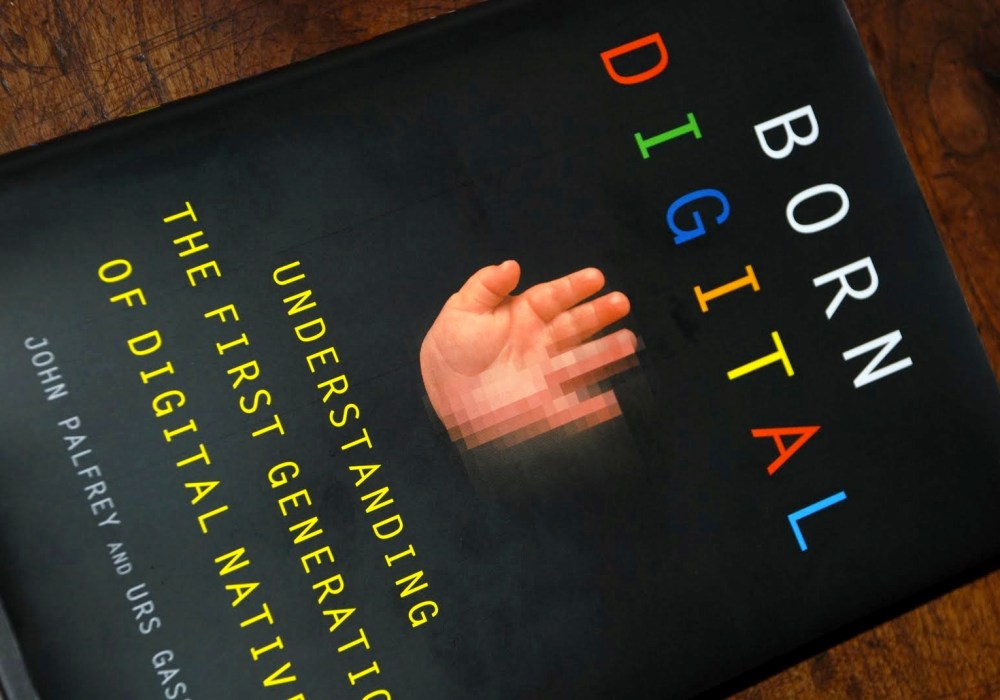
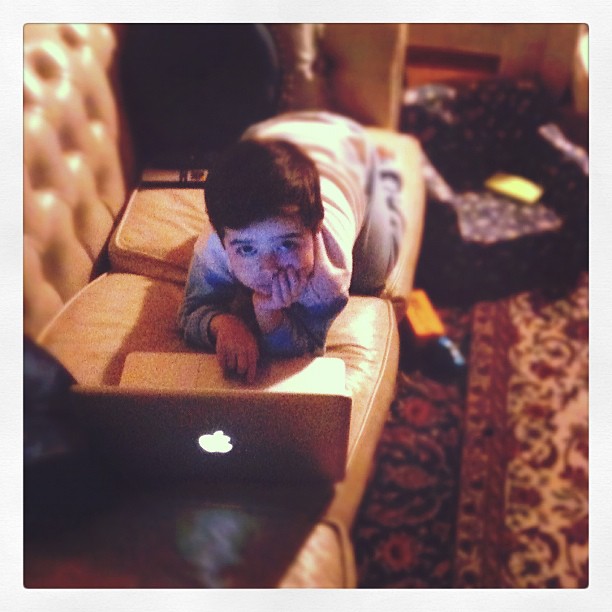
Digital Natives
Pietro, 4 years old.

Tweed Run in NYC!
Everybody ought to have a Lower East Side in their life — Irving Berlin
 Save the date! Held in New York this year for the first time ever, the Rugby Ralph Lauren Tweed Run is a one-of-a-kind cycling event that combines our love of classic tweed style, British cultural heritage and a good, old-fashioned bike ride with friends. On October 15 we’ll be dusting off our vintage velocipedes and winding through lower Manhattan — breaking along the way for tea, of course — before finishing the ride with a gin-swilling party in Brooklyn. We’ll be outfitted for the occasion in traditional British cycling attire, particularly tweed blazers, kickerbockers and riding caps.
Start polishing your Brooks saddles and check out the official event site!


 Simone Calamai